 listicle
Common Cleaning Mistakes to Avoid at Home
Table of Contents
- Why Your Home Still Looks Dirty After Cleaning
- Common Cleaning Mistakes to Avoid at Home
- Essential Cleaning Tools for Every Room
- How to Create a House Cleaning Schedule
- How Long Does a Professional Deep Clean Take?
- Conclusion
- Frequently Asked Questions
Last Updated: 3 October 2026
Why Your Home Still Looks Dirty After Cleaning
Most homes still look dull after a solid clean because of two quiet errors, not laziness. The damp cloth trap and skipped dwell time undo more work than any other habit, and both are easy to fix once you know what to look for. This guide from Yepii Cleaning covers the common cleaning mistakes to avoid at home, so your effort actually shows in the results.
Dwell time is the period a cleaning product needs to sit on a surface before you wipe it away, allowing the active ingredients to break down grease and grime.
Here is the part most people miss: technique beats effort every time. A Choice guide to reading cleaning product labels explains why label instructions matter more than the amount of scrubbing you do.
The Damp Cloth Trap
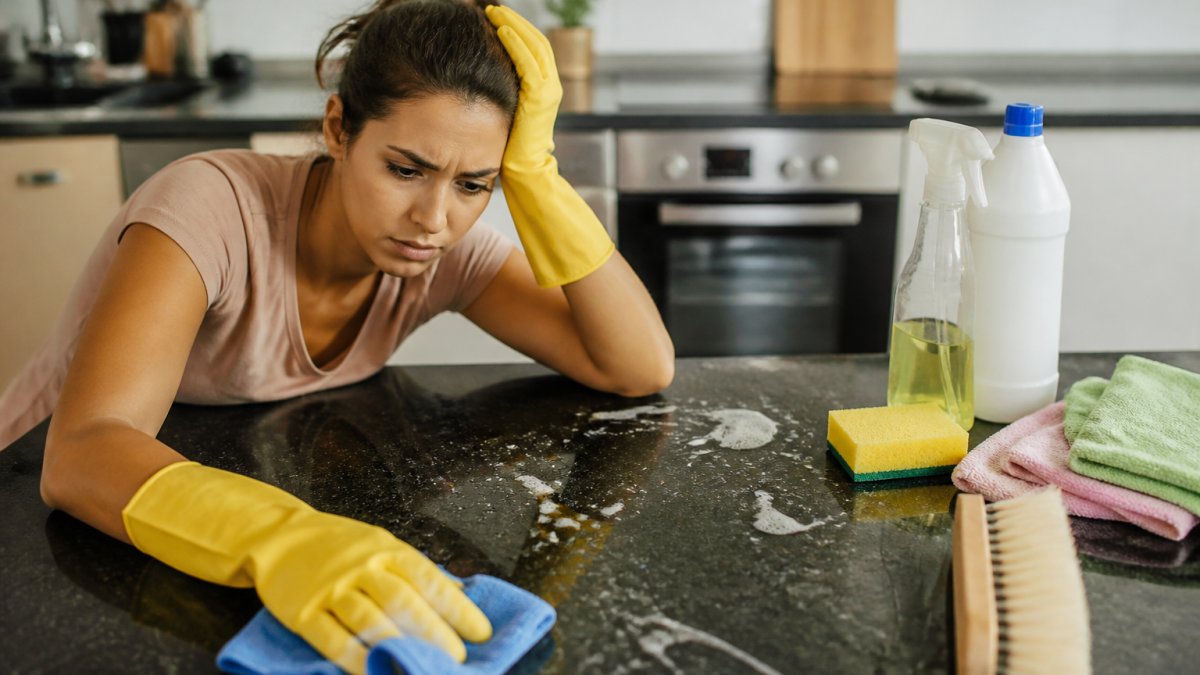
A damp cloth moves dirt around instead of lifting it. Once a cloth is wet, it smears grease across the surface and leaves streaks behind.
Start with a dry or barely damp cloth for dust, then switch to a fresh one for the wet wipe. Rinse cloths often, and swap them out entirely when they start to feel heavy. This one change fixes most streaky worktops and cloudy mirrors.
Skipping the Dwell Time
Spraying and immediately wiping is the fastest way to waste product. Most bathroom and kitchen sprays need a minute or two on the surface before they work properly.
Spray a section, then move on to another task while it sits. Come back and wipe. You will use less product and get a cleaner finish with far less scrubbing.
Common Cleaning Mistakes to Avoid at Home
The biggest cleaning mistakes come down to tools and order, not effort. Using one cloth across every surface spreads grime, and cleaning in the wrong sequence means you re-dirty what you just finished. Fix these two and your routine gets noticeably faster.
Using One Cloth for Everything
One cloth for the whole house is the mistake that undoes the most work. A cloth used on the toilet then on the kitchen worktop moves bacteria straight onto food surfaces.
Keep colour-coded cloths: one for bathrooms, one for kitchen worktops, one for glass, and one for floors. Wash them after every use. Microfibre cloths work best because they trap dust rather than pushing it around.
Cleaning in the Wrong Order
Always clean top to bottom and dry to wet. Dust settles downward, so starting with floors means you will clean them twice.
Work through this sequence:
- Declutter surfaces and put items away
- Dust high points, ceiling fans, and light fittings
- Wipe worktops, tables, and appliances
- Clean sinks, basins, and fixtures
- Vacuum or sweep floors
- Mop hard floors last
This order alone saves a full re-clean of the floors.
Essential Cleaning Tools for Every Room
A small, well-chosen kit outperforms a cupboard full of random products. The tools that matter most are microfibre cloths, a grout brush, a squeegee, a vacuum with attachments, and a mop. Buy quality once rather than replacing cheap tools repeatedly.
For each room, keep a simple set:
| Room | Core Tools | Why It Matters |
|---|---|---|
| Kitchen | Degreaser, microfibre cloths, scrub sponge | Cuts grease without scratching |
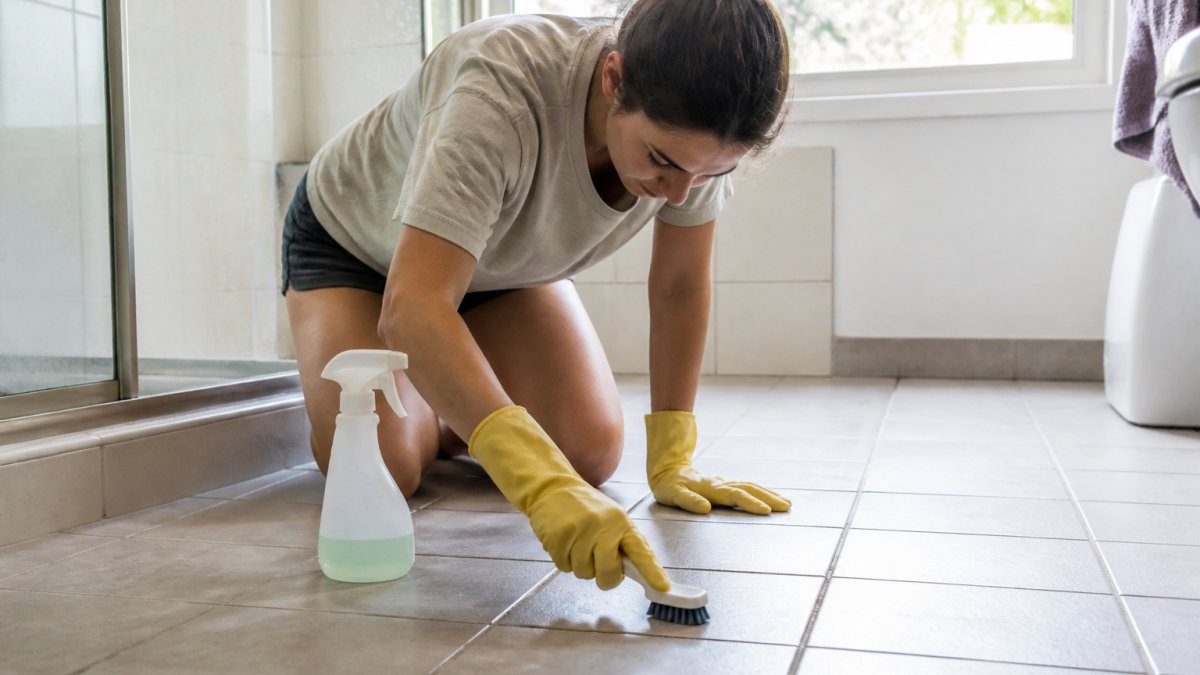
| Bathroom | Grout brush, squeegee, disinfectant | Stops mould and soap scum build-up |
| Bedrooms | Microfibre duster, vacuum attachment | Lifts dust from soft furnishings |
| Living areas | Glass cleaner, flat mop, cloths | Streak-free finishes on hard surfaces |
A health department guide to safe cleaning practices is worth keeping on hand for food-contact surfaces.
How to Create a House Cleaning Schedule
The best cleaning schedule is one you will actually follow. Build it around how each room gets used, not around a rigid daily list. A workable schedule splits tasks into daily, weekly, and monthly jobs, so nothing piles up.
Try this structure:
- Daily: Wipe kitchen worktops, sweep high-traffic floors, tidy clutter
- Weekly: Vacuum carpets, mop hard floors, clean bathrooms, change bedding
- Monthly: Dust high points, clean inside appliances, wipe skirting boards
- Seasonally: Wash windows, clean curtains, deep clean carpets
If the schedule keeps slipping, that is usually a sign the workload is too big for the time you have. That is where a recurring service earns its place.
How Long Does a Professional Deep Clean Take?
A professional deep clean takes longer than a standard maintenance clean, with the exact duration depending on the size, condition, and specific requirements of the home.
Deep cleans take longer because they cover what routine cleaning skips: inside the oven, behind appliances, grout lines, window tracks, and skirting boards. A first-time clean on a neglected home can run longer still.
If you would rather hand the job to a team, Yepii Cleaning provides vetted, insured cleaners with all supplies included, and no lock-in contracts. Their 24-hour fix policy means any missed spot gets sorted quickly. When you do it yourself, block the time honestly and work through the sequence above rather than rushing room to room.
Conclusion
Keeping a home genuinely clean comes down to fixing a few habits: dry cloths before wet ones, letting products sit, and cleaning top to bottom. Those changes cost nothing and deliver the biggest visible difference.
If the schedule still feels like a losing battle, Yepii Cleaning can take it off your hands. Their police-checked, insured team handles regular maintenance, deep cleans, and Airbnb turnovers, with all supplies and equipment included and no lock-in contracts. Get a free quote from Yepii Cleaning and reclaim your weekends.
Frequently Asked Questions
What is the biggest mistake people make when cleaning?
Using too much water on surfaces is the most common one. Excess moisture spreads dirt, leaves streaks on glass and stainless steel, and can seep into grout or timber. Wring cloths until they are barely damp, and dry glass and polished surfaces with a separate lint-free cloth immediately after wiping. This single change fixes most streak and smudge complaints.
Should you clean from top to bottom or bottom to top?
Always work top to bottom. Dust and debris fall as you clean, so starting with ceilings, light fittings and high shelves stops you re-dirtying surfaces below. After the top-down pass, finish with floors last. The same logic applies within a room: clean the worktop before the cupboard fronts, and the shower walls before the shower base.
Why does my house still look dirty after cleaning?
Two culprits usually explain it: reusing dirty water or cloths, and skipping dwell time. Cleaning products need a few minutes to break down grease and grime before you wipe. If you spray and immediately wipe, you are just moving dirt around. Let products sit for the time stated on the label, and swap cloths or rinse water before they turn grey.
How often should you deep clean your home?
A deep clean every three to six months suits most households, with high-use areas like kitchens and bathrooms done more often. Busy professionals and families often find a recurring professional service every fortnight or month keeps the home consistently presentable and makes deep cleans quicker. A professional deep clean takes a varying amount of time depending on the size and condition of the home.